


 English
 Español
 عربى
عربىZhejiang Dingtai Outdoor Leisure Products Co., Ltd.
For hotels, conference centers, schools, training facilities, event companies, and furniture distributors, selecting a folding chair involves more than comparing unit prices. Large seating projects must balance durability, storage efficiency, user comfort, transportation, and order consistency. When hundreds or thousands of chairs need to be managed across different spaces, small design differences can influence handling efficiency and long-term operating costs. This makes product selection and supplier evaluation important steps before placing a bulk order.
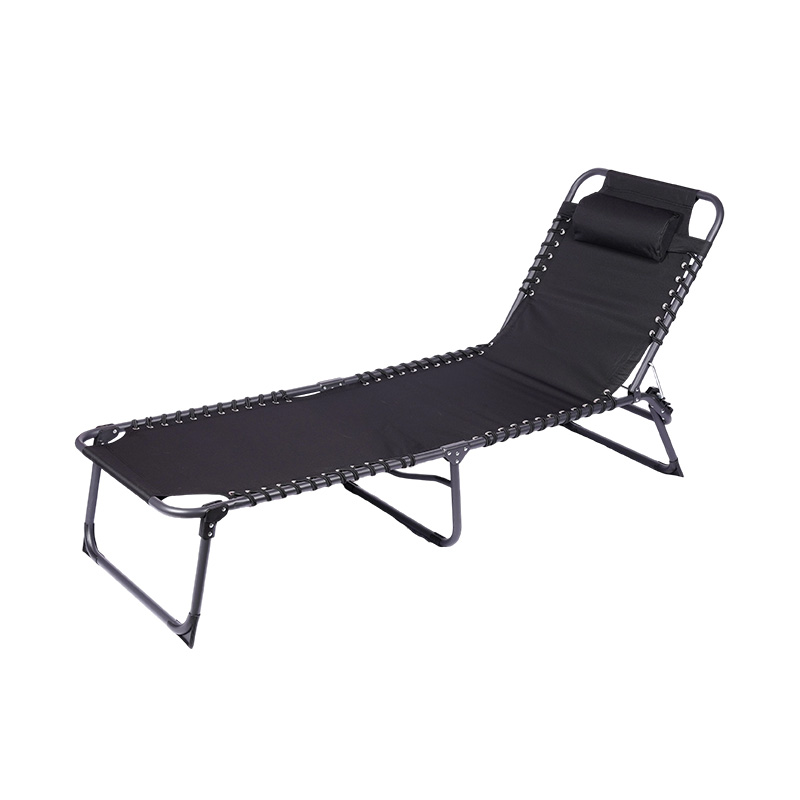
Start With the Actual Use Environment
The first question should be where and how the chairs will be used. A training center may require chairs that are frequently moved between classrooms, while an event rental company may prioritize fast setup, compact storage, and easy transportation.
Hotels and banquet venues often place greater emphasis on appearance and comfort, whereas schools and community facilities may focus more heavily on practical maintenance. Defining the operating environment first helps buyers avoid paying for features that have little value in actual use.
Consider How Often the Chairs Will Move
Frequent handling puts different demands on a chair compared with occasional indoor use. Folding mechanisms, hinges, frame joints, and connection points should be designed to withstand regular opening and closing without making operation unnecessarily complicated.
For commercial buyers, the folding action should feel controlled rather than loose or difficult. A well-balanced structure can also make it easier for staff to arrange seating quickly before meetings, classes, exhibitions, or events.
Storage Capacity Can Shape the Entire Purchase
Storage is often overlooked during product selection. However, large quantities of seating can occupy considerable space when the folded dimensions are not properly considered.
A practical procurement evaluation should examine:
- Folded dimensions and available storage space
- Stacking stability during warehouse storage
- Carrying convenience for venue staff
- Protection against scratches during transportation
- Compatibility with existing storage racks or carts
These factors become especially relevant for rental companies and venues that repeatedly move seating between locations.
Durability Should Match the Project Cycle
Not every project requires the same construction approach. A chair intended for occasional conference use may have different material requirements from one used regularly by an event rental business.
Frame material, tube structure, welding quality, joint design, seat attachment, and surface treatment all contribute to product performance. Instead of judging durability from appearance alone, procurement teams should ask manufacturers how the chair is constructed and which components are most exposed to repeated mechanical stress.
Comfort Is Part of Commercial Value
A chair that saves storage space but provides poor seating comfort can affect the user experience. For conferences, seminars, classrooms, and long-duration events, seat dimensions, backrest support, cushioning, and surface materials deserve careful evaluation.
Manufacturers can also offer different material combinations for different applications. This allows buyers to balance comfort, cleaning requirements, visual appearance, and project budget without changing the overall folding concept.
When Customization Becomes Practical
Customization can be valuable when a project requires consistent branding or specific functional requirements. Depending on the manufacturer's capabilities, buyers may discuss frame finishes, upholstery, colors, dimensions, packaging, and logo applications.
For distributors and hospitality projects, customized specifications can also help maintain product consistency across multiple orders. The key is to confirm technical requirements early so that customization does not create unnecessary production complexity or affect delivery planning.
Choosing a Supplier Beyond the Product Sample
A sample can demonstrate appearance and basic construction, but large-scale procurement requires a broader assessment. Buyers should consider manufacturing consistency, quality-control procedures, communication efficiency, packaging, customization capability, and after-sales support.
For commercial seating projects, the best purchasing decision is usually the one that considers the complete product lifecycle rather than the initial quotation alone. When businesses select a folding chair according to actual usage, storage conditions, handling frequency, and project requirements, they can build a more practical seating solution while reducing avoidable procurement and maintenance concerns.
 Prev
Prev


