


 English
 Español
 عربى
عربىZhejiang Dingtai Outdoor Leisure Products Co., Ltd.
For hotels, event venues, training centers, schools, community facilities, and rental companies, choosing a folding chair is no longer simply a matter of saving storage space. Buyers are paying closer attention to frame strength, folding performance, seating comfort, transport efficiency, and maintenance requirements. As commercial spaces become more flexible, the demand is shifting toward seating solutions that can move easily between different layouts while remaining practical for repeated use.
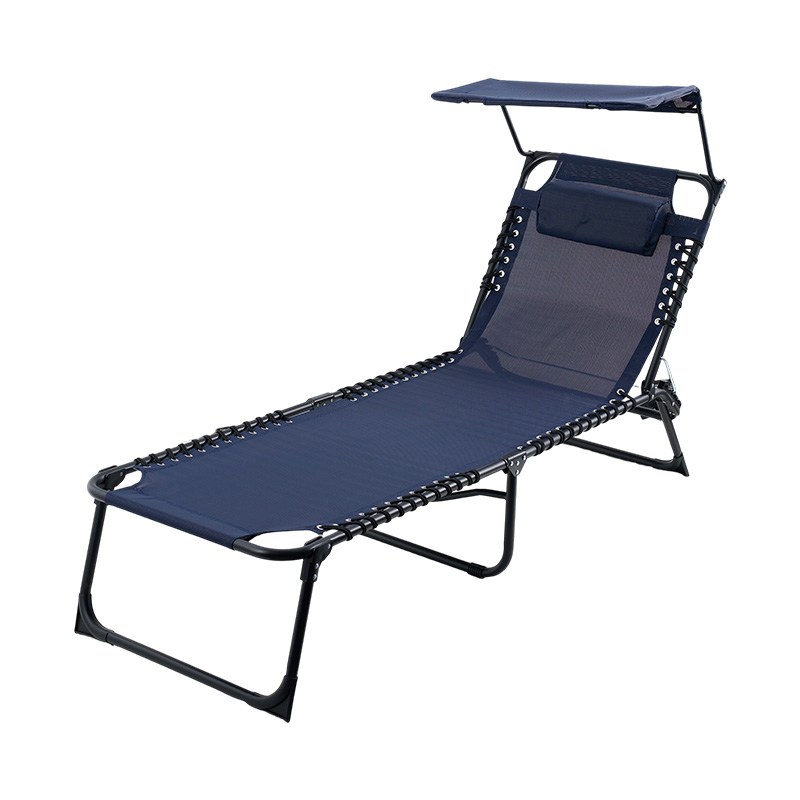
Where Folding Performance Meets Daily Efficiency
In busy venues, chairs may be unfolded, arranged, collected, and stored several times within a week. A practical design should therefore make handling straightforward without creating unnecessary maintenance work. Smooth folding movement, stable hinges, and a compact folded profile can help staff organize large quantities of seating more efficiently.
For procurement teams, it is useful to evaluate not only how a chair looks when displayed, but also how easily employees can handle it during setup and storage.
Frame Construction Matters More Than Appearance
The frame is one of the first areas commercial buyers should examine. Steel frames can provide a solid structure for venues requiring dependable everyday seating, while different tube profiles and connection methods influence overall stability.
A suitable commercial folding chair should also maintain consistent alignment between the frame, seat, and backrest. Poor alignment can affect comfort and create unnecessary stress on joints during repeated folding.
Seat Comfort Still Influences Buying Decisions
Space efficiency should not come at the expense of user comfort. For conferences, classrooms, banquets, and community events, occupants may remain seated for extended periods. Seat shape, backrest angle, surface material, and edge design can therefore influence the overall experience.
Manufacturers can also provide different seat and backrest materials to match specific environments. Upholstered options may suit conference or hospitality applications, while easier-to-clean surfaces can be more practical for training rooms and public facilities.
Storage Design Can Reduce Handling Problems
One of the main advantages of folding seating is its ability to free up floor space when chairs are not required. However, the folded dimensions, carrying method, and stacking arrangement should be considered before purchasing.
For large-volume buyers, useful questions include:
- How compact is the chair after folding?
- Can several chairs be moved safely together?
- Does the design support stable stacking?
- Can the folded chairs be stored without damaging the frame or surface?
These details can have a direct impact on warehouse organization and event setup efficiency.
Matching Materials to the Working Environment
Different applications call for different material combinations. Indoor conference venues may prioritize appearance and upholstery, while schools, rental businesses, and community facilities may place greater emphasis on easy cleaning and resistance to frequent handling.
For outdoor or semi-outdoor use, buyers should pay closer attention to surface protection, moisture exposure, and corrosion resistance. Selecting materials according to the actual operating environment is generally more effective than choosing a chair based solely on appearance or initial purchase price.
Why Customization Helps Commercial Projects
Commercial projects often have requirements that standard retail seating cannot fully address. A professional manufacturer can adjust elements such as frame finish, seat materials, colors, dimensions, packaging, and branding according to project needs.
This is particularly useful for hotels, event rental companies, schools, and furniture distributors that need consistent product specifications across multiple orders. Early communication between the buyer and manufacturer can also help identify practical requirements before mass production begins.
A Better Way to Evaluate Your Next Chair Order
For commercial procurement, the right folding chair should be evaluated as part of the entire operating process—from delivery and storage to daily handling and long-term maintenance. Buyers should compare construction quality, folding mechanism, material selection, comfort, storage efficiency, and customization capability rather than focusing on one specification alone.
As a manufacturer serving commercial furniture projects, we understand that reliable seating begins with practical engineering and consistent production. A well-designed folding chair can help businesses create flexible spaces while simplifying storage, transportation, and daily venue management.
 Prev
Prev


