


 English
 Español
 عربى
عربىZhejiang Dingtai Outdoor Leisure Products Co., Ltd.
For hotels, event venues, training centers, schools, community facilities, and rental businesses, a folding chair is more than temporary seating. It is part of an operational system that must be easy to transport, store, clean, deploy, and maintain. As commercial buyers increasingly look for practical furniture solutions with lower handling requirements and longer usable cycles, manufacturers are paying closer attention to folding mechanisms, frame construction, surface finishes, and storage efficiency. The challenge is no longer simply finding a chair that folds, but developing a seating product that works smoothly throughout daily commercial operations.
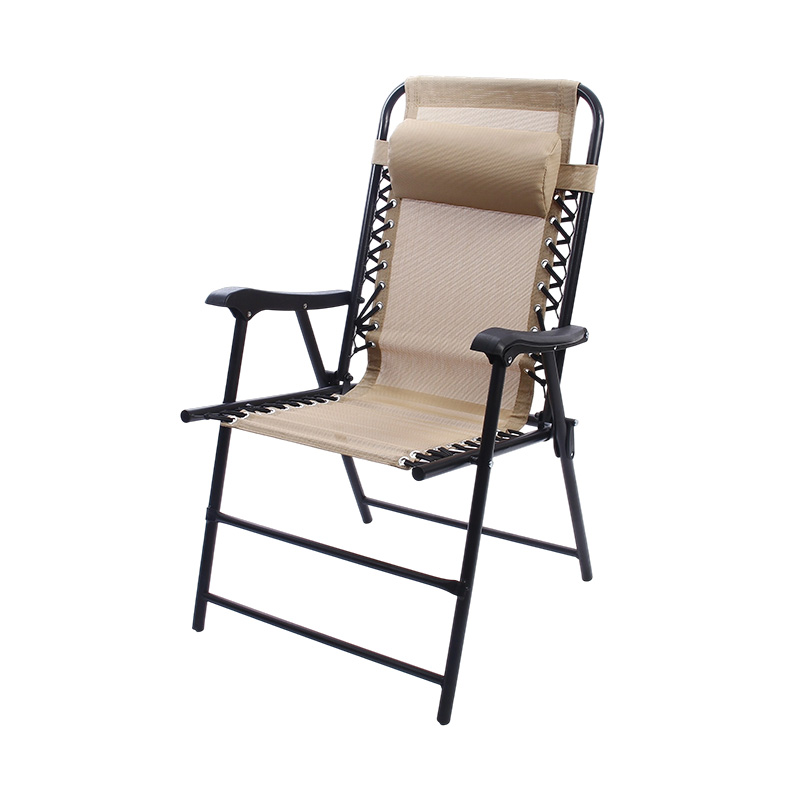
Storage Efficiency Starts with the Folding Structure
Storage space can become a significant consideration when large quantities of chairs are purchased for multipurpose facilities. A well-designed folding structure allows chairs to be stacked or arranged in compact storage areas without creating unnecessary handling difficulties.
For procurement teams, several details deserve attention:
- How easily can the chairs be folded and unfolded?
- Does the folded structure remain stable during stacking?
- Can employees move multiple chairs without excessive effort?
- Does the design reduce contact between surfaces during storage?
These practical factors can influence warehouse organization and the time required to prepare a venue for different activities.
Frame Design Influences Long-Term Reliability
The frame is one of the main structural elements determining how a folding chair performs under repeated commercial use. Steel frames can provide a strong structural foundation, while aluminum designs may be considered where lighter handling is important. The appropriate choice depends on the intended environment, expected usage pattern, and required load performance.
For manufacturers, consistent tube dimensions, reliable welding, accurate joint alignment, and controlled surface treatment are essential. Small variations in these areas can affect folding movement, chair stability, and overall assembly quality. This is why production control matters just as much as the visible appearance of the finished chair.
Folding Mechanisms Need More Than Easy Movement
A folding mechanism should provide convenient operation without compromising stability. If hinges become stiff, loose, or misaligned after repeated use, employees may spend more time preparing seating or handling damaged products.
A practical commercial design should consider:
- Smooth hinge movement
- Secure locking or positioning
- Protection against accidental folding
- Easy inspection and maintenance
- Consistent performance across production batches
For OEM buyers, these details are particularly important because the mechanism directly influences the user's experience while also affecting after-sales requirements.
Surface Materials Matter in High-Traffic Spaces
Commercial seating may be exposed to frequent cleaning, transportation, food spills, moisture, and general handling. Selecting the right seat and backrest material therefore requires consideration beyond appearance.
Plastic seats can be suitable for environments where easy cleaning is important, while upholstered options may provide a different level of comfort for conference rooms, hospitality spaces, or indoor events. Powder-coated metal frames can also help provide a practical surface finish for regular commercial use.
Rather than selecting materials based solely on price, buyers should evaluate the relationship between cleaning requirements, environmental conditions, comfort, and expected service use.
Design for Transport Can Reduce Operational Work
Folding chairs are often moved between storage rooms, meeting spaces, event areas, classrooms, or temporary venues. Weight, folded dimensions, carrying points, and stacking stability can therefore influence everyday efficiency.
A manufacturer that considers transportation during product development can offer useful advantages to commercial buyers. Details such as balanced weight distribution, stable folded positioning, and compatible storage arrangements can make a noticeable difference when dozens or hundreds of chairs need to be prepared for an event or returned to storage afterward.
OEM Customization Is Becoming More Application-Focused
Different commercial environments do not always require the same seating configuration. An event rental company may prioritize lightweight handling and compact storage, while a conference furniture buyer may focus more on appearance and comfort.
OEM development can therefore involve adjustments to frame finishes, seat materials, dimensions, colors, folding structures, packaging, or branding. Working directly with a manufacturer also allows buyers to discuss application conditions before finalizing specifications, helping prevent unnecessary modifications after mass production begins.
A Practical Approach to Commercial Seating
For overseas buyers, selecting the right supplier means looking beyond product photographs and basic specifications. Manufacturing consistency, material control, structural design, folding performance, packaging, and customization capability should all be considered together.
As a manufacturer, we believe a well-designed folding chair should make commercial seating easier to manage from installation and daily use to storage and transportation. By combining application-focused design with controlled manufacturing processes, we help overseas buyers develop practical seating solutions suited to their specific markets and operational needs.
 Prev
Prev


