


 English
 Español
 عربى
عربىOutdoor furniture is increasingly being treated as part of the living environment rather than seasonal equipment. Recent industry discussions point to growing expectations for comfort, durability, flexible use, and designs that work naturally across patios, balconies, gardens, hospitality spaces, and other outdoor settings. For overseas buyers working with a zero gravity chair factory, this creates a practical product-development challenge: how can one chair provide a comfortable reclining experience while remaining easy to move, store, and integrate into different spaces?
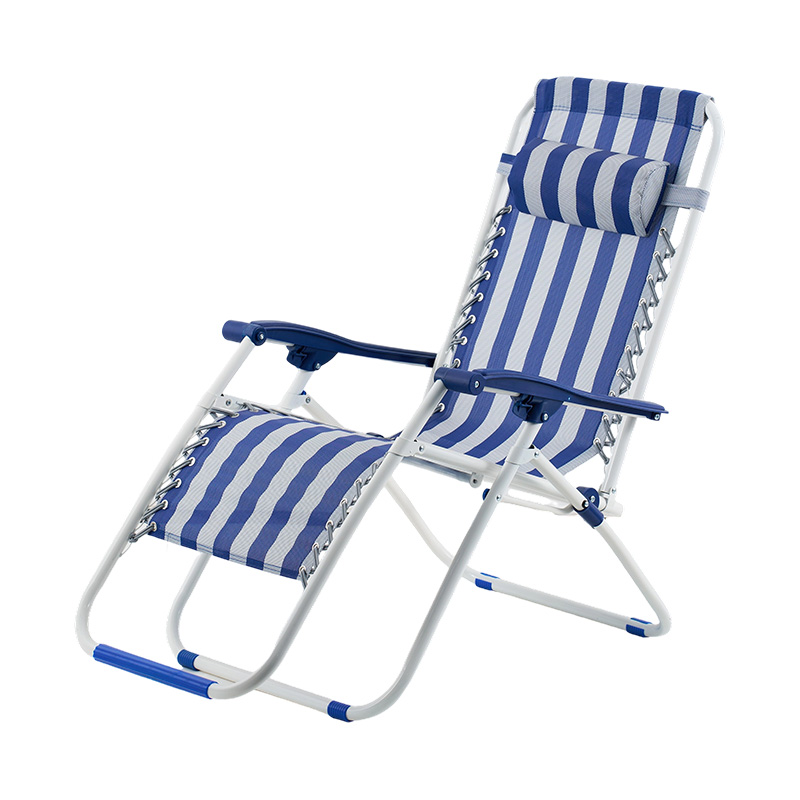
Different Spaces Require Different Priorities
A chair designed for a spacious garden does not necessarily need the same configuration as one intended for a compact balcony or commercial leisure area. Available floor space, storage conditions, frequency of movement, and the surrounding furniture can all influence the preferred design.
For manufacturers, understanding these differences helps determine frame proportions, folding arrangements, fabric choices, and accessory options. For buyers, discussing the intended market and usage environment early can make product selection more precise.
Folding Performance Matters in Real Use
A zero gravity chair may spend only part of its life in the reclining position. Users may need to move it between a patio and storage area, rearrange outdoor seating, or prepare multiple chairs for a commercial space.
The folding mechanism therefore deserves attention during product development. A practical design should allow the chair to be folded and unfolded with reasonable ease while keeping the frame properly aligned during use. Smooth movement also helps reduce unnecessary handling difficulties for distributors and end users.
Storage Can Influence the Purchase Decision
Outdoor furniture is often stored when weather conditions change or when a space needs to be cleared. This makes folded dimensions an important consideration for both consumers and commercial buyers.
For importers, a compact folded structure can also simplify warehouse organization and transportation planning. Manufacturers should therefore consider the relationship between the open-chair experience and the folded configuration instead of optimizing only one position.
Stability Needs to Work With Mobility
A lightweight, movable chair can be convenient, but mobility should not come at the expense of a stable seating experience. The frame, legs, joints, and reclining mechanism need to work together when the user changes position.
This is especially relevant for zero gravity chairs because the center of the user's weight shifts as the chair reclines. Manufacturers need to consider the frame geometry and movement of the reclining system during product development, while buyers can evaluate stability through different seating positions rather than checking only the fully upright configuration.
Appearance Is Becoming Part of Outdoor Product Design
Outdoor furniture is increasingly borrowing visual ideas from indoor living spaces. Current design coverage highlights more expressive materials, colors, textures, and furniture forms as outdoor areas become extensions of the home.
For zero gravity chair buyers, this creates opportunities to consider the chair as part of a broader outdoor collection. Frame finishes, fabric colors, surface textures, and overall proportions can be selected according to the target market instead of relying on a purely utilitarian appearance.
Commercial Buyers Need Repeatable Product Quality
For hotels, resorts, leisure facilities, distributors, and other commercial customers, purchasing decisions involve more than evaluating a single sample. The same design needs to remain consistent across production batches.
Manufacturers should pay attention to frame alignment, fabric installation, joint assembly, reclining movement, surface finishing, and folding performance during production. Clear inspection procedures can help connect the original product design with consistent manufacturing results.
Manufacturer Experience Supports Better Customization
Different overseas markets may have different expectations for color, fabric, frame finish, packaging, folding design, and product positioning. A manufacturer that understands how these elements interact can help buyers develop a more suitable product instead of simply offering a fixed model.
As a zero gravity chair factory, Zhejiang Dingtai Outdoor Leisure Products Co., Ltd. can approach product development from the perspective of structure, materials, folding function, appearance, and production requirements. For overseas buyers seeking flexible outdoor seating, working directly with a manufacturer can make it easier to adapt a zero gravity chair to different spaces, customer preferences, and commercial applications.
 Prev
Prev


