


 English
 Español
 عربى
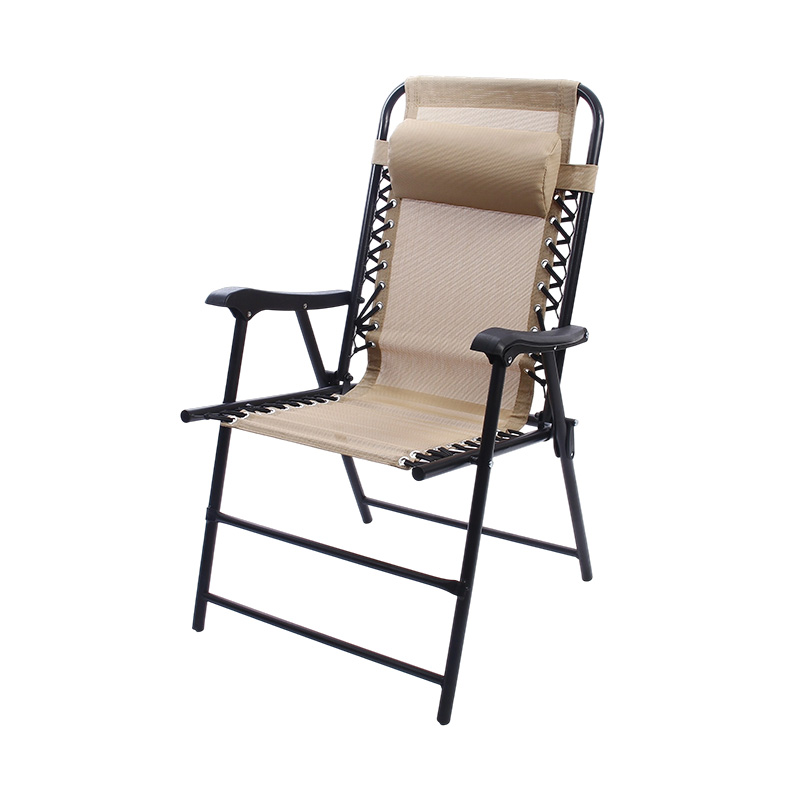
For retailers, event suppliers, outdoor equipment distributors, and commercial buyers, purchasing affordable seating involves more than comparing unit prices. A chair may look suitable in product photographs, but its practical value becomes clear only after considering its structure, folding performance, materials, and intended use. When sourcing a Cheap Folding Chair, buyers need to understand how manufacturers balance production cost with everyday usability. Making these checks before placing a bulk order can help reduce product mismatches and support more reliable purchasing decisions.
Look Beyond the Initial Purchase Price
A low purchase price can be attractive, especially for distributors managing large product assortments or buyers preparing for seasonal demand. However, the cheapest quotation does not always represent the most suitable option. Differences in frame construction, fabric selection, surface finishing, and packaging can affect how a chair performs after reaching the customer.
Buyers should compare products with similar specifications rather than evaluating quotations in isolation. Checking the included components, folded dimensions, packaging arrangement, and applicable quality requirements provides a clearer basis for comparing suppliers. This approach also helps businesses avoid unexpected costs during transportation, storage, and resale.
Frame Construction Has a Direct Impact on Everyday Use
The frame is one of the main elements influencing a folding chair's stability and handling. Its material, tube dimensions, connection points, and overall geometry should correspond to the intended application.
For example, chairs supplied to event organizers may be moved and rearranged frequently, while products sold through outdoor retailers may be used in gardens, patios, or camping environments. These different conditions can influence frame design and product positioning.
Manufacturers should pay attention to joint alignment, connection strength, leg structure, and the way the frame distributes weight. Buyers can also request product samples to examine how the chair feels when opened, folded, and placed on different surfaces.
Fabric and Finishing Should Match the Target Market
The seat and backrest contribute to user comfort as well as the product's appearance. Fabric type, stitching, edge finishing, and attachment to the frame are therefore important considerations during sourcing.
A chair intended for occasional indoor events may have different material requirements from one marketed for outdoor leisure. Buyers should consider how easily the fabric can be cleaned, whether its color fits the target market, and how the material behaves during regular handling.
For private-label projects, coordinating fabric colors and frame finishes can also help distributors create a consistent product range without changing the basic folding structure.
Folding Convenience Matters in Storage and Transportation
One reason buyers choose folding chairs is their ability to save space when not in use. However, the folding mechanism should be evaluated as carefully as the chair's appearance.
A practical design should allow users to open and close the chair without unnecessary difficulty. The folded structure should also be manageable for storage, warehouse handling, and transportation.
When reviewing samples, buyers can check:
- Whether the chair opens and folds smoothly
- Whether moving parts remain properly aligned
- Whether the folded shape is convenient to store
- Whether the frame can stand securely when opened
- Whether packaging protects the product during shipment
These details are particularly relevant for distributors handling repeated orders and commercial customers managing multiple seating units.
Match the Product to Its Intended Application
A single folding chair design may not suit every customer group. Retailers, rental companies, event organizers, and outdoor leisure businesses can have different expectations regarding appearance, portability, and product configuration.
Before confirming an order, buyers should define the main sales channel and expected use environment. This makes it easier to select appropriate materials, colors, packaging, and product specifications. It can also help manufacturers recommend a configuration that fits the buyer's market instead of adding unnecessary features.
Consistent Production Matters for Bulk Orders
A sample represents only one unit, while a commercial order may contain many chairs. Buyers therefore need to consider how the manufacturer manages production consistency.
Important inspection points include frame dimensions, welding or connection quality, surface finishing, fabric installation, folding operation, and packaging. Clear inspection standards help manufacturers identify variations before products are shipped.
For overseas buyers, it is also useful to discuss sample approval, order specifications, packaging requirements, and repeat-order arrangements before production begins. Clear communication can reduce misunderstandings between the purchasing and manufacturing teams.
Work With a Manufacturer That Understands Buyer Requirements
Affordable folding furniture requires a practical balance between cost, design, usability, and production planning. Zhejiang Dingtai Outdoor Leisure Products Co., Ltd. can approach product development from these manufacturing considerations, helping buyers evaluate configurations according to their target markets and purchasing needs.
For distributors and commercial purchasers, selecting a Cheap Folding Chair should involve more than finding an attractive quotation. Reviewing the frame, fabric, folding mechanism, intended application, and production consistency can lead to a more suitable sourcing decision and a product range that better matches customer expectations.
 Prev


