


 English
 Español
 عربى
Outdoor furniture buyers are becoming more informed about the materials behind the products they purchase. In 2026, industry discussions continue to highlight durability, material innovation, mixed-material construction, and long-term value as important considerations in outdoor furniture sourcing. For overseas buyers working with a zero gravity chair factory, material selection is therefore not simply a matter of choosing a frame color or fabric pattern. The frame, seating material, hardware, surface treatment, and manufacturing process all contribute to how the finished chair performs in its intended environment.
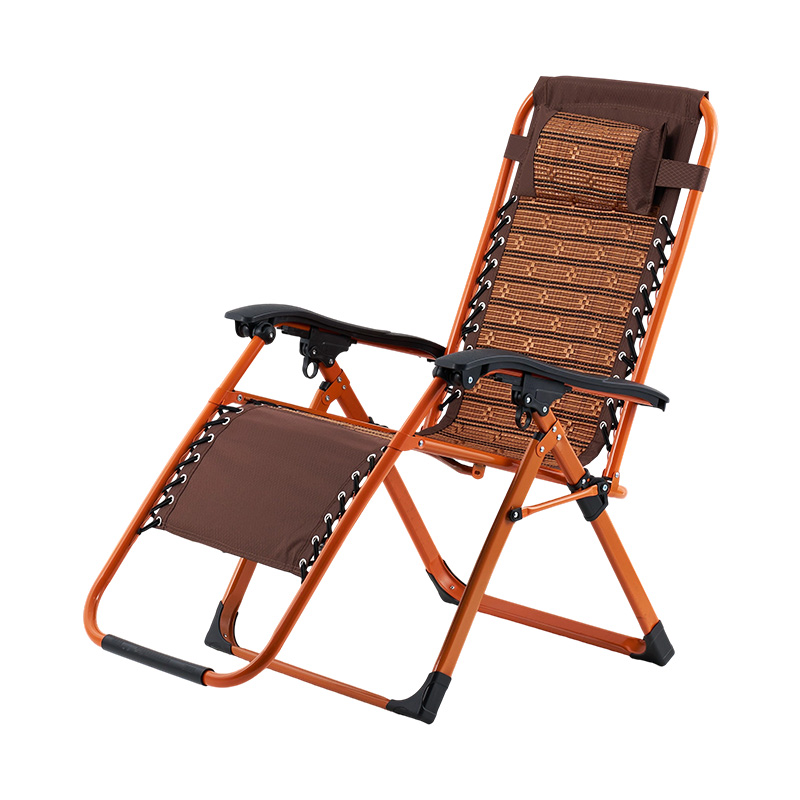
The Frame Sets the Product Foundation
The frame carries much of the structural responsibility of a reclining outdoor chair. Its material, tube construction, connection method, and surface treatment can influence weight, stability, folding performance, and overall appearance.
Manufacturers need to balance these requirements during development. A frame designed only around low weight may not provide the desired structural characteristics, while a heavily built frame may make transportation and handling less convenient.
For buyers, asking how the frame material is selected for the intended application can provide more useful information than comparing appearance alone.
Fabric Selection Is More Than a Color Choice
The seating surface has a direct relationship with comfort and product appearance. However, outdoor fabric also needs to work with the folding frame and reclining mechanism.
Manufacturers should consider fabric strength, texture, tension, stitching, attachment points, and how the material interacts with the frame during repeated movement. The selected fabric should also correspond to the intended market and usage environment.
This creates opportunities for buyers to develop different product versions without changing the basic concept of the chair.
Hardware Connects the Moving Parts
A zero gravity chair contains several moving and connecting components. Hinges, joints, fasteners, sliding parts, and reclining mechanisms need to work together smoothly.
These components may be small, but they influence how the chair opens, closes, reclines, and remains stable. For a manufacturer, component selection should therefore consider the complete mechanism rather than focusing on individual parts in isolation.
Consistent hardware installation is equally important when an approved sample moves into larger-scale production.
Surface Treatment Should Match the Environment
Outdoor furniture can face moisture, sunlight, dirt, temperature changes, and frequent handling. The appropriate surface treatment depends on the frame material and the environment in which the chair will be used.
A chair intended for occasional residential use may have different requirements from one supplied to a resort, poolside facility, or commercial leisure space. Manufacturers should therefore discuss the intended application before finalizing the material and finishing specification.
This application-based approach can help buyers avoid selecting a finish based only on visual appearance.
Mixed Materials Can Create New Product Options
The outdoor furniture industry is increasingly exploring combinations of materials to balance appearance and practical performance. Recent industry coverage has highlighted continued interest in mixed-material designs as manufacturers look for new ways to combine texture, visual appeal, and outdoor performance.
For zero gravity chairs, this approach could involve coordinating different frame finishes, fabrics, armrest materials, or decorative elements. The objective should not be to add materials simply for visual complexity, but to create a product that fits a particular market position and usage scenario.
Material Decisions Also Affect Production
A material may look suitable in a prototype but create different challenges during mass production. Cutting, sewing, bending, welding, assembly, surface finishing, and inspection all need to work with the selected materials.
This is why overseas buyers should evaluate a manufacturer's production experience alongside its product samples. Consistent material sourcing and repeatable manufacturing processes can help ensure that the final batch remains close to the approved design.
A Factory Should Understand the Whole Material System
For procurement teams, selecting a zero gravity chair factory is ultimately about more than finding an attractive sample. Buyers need to understand how the manufacturer approaches frame materials, fabrics, hardware, finishing, assembly, quality control, and customization as a connected system.
As a zero gravity chair factory, Zhejiang Dingtai Outdoor Leisure Products Co., Ltd. can approach product development from the perspective of material selection, frame construction, reclining function, folding design, and manufacturing requirements. For overseas buyers developing outdoor seating for residential, hospitality, or leisure markets, working with a manufacturer that understands how material choices affect the complete product can provide a stronger foundation for long-term sourcing.
 Prev


