


 English
 Español
 عربى
عربىFlexible spaces are becoming increasingly common in hotels, schools, training rooms, community centers, exhibition venues, and event facilities. For procurement teams, a folding chair needs to do more than provide temporary seating. It must fit the way a venue is used, stored, cleaned, transported, and rearranged. Choosing the right configuration at the beginning can make daily operations easier while helping businesses avoid replacing unsuitable seating after installation.
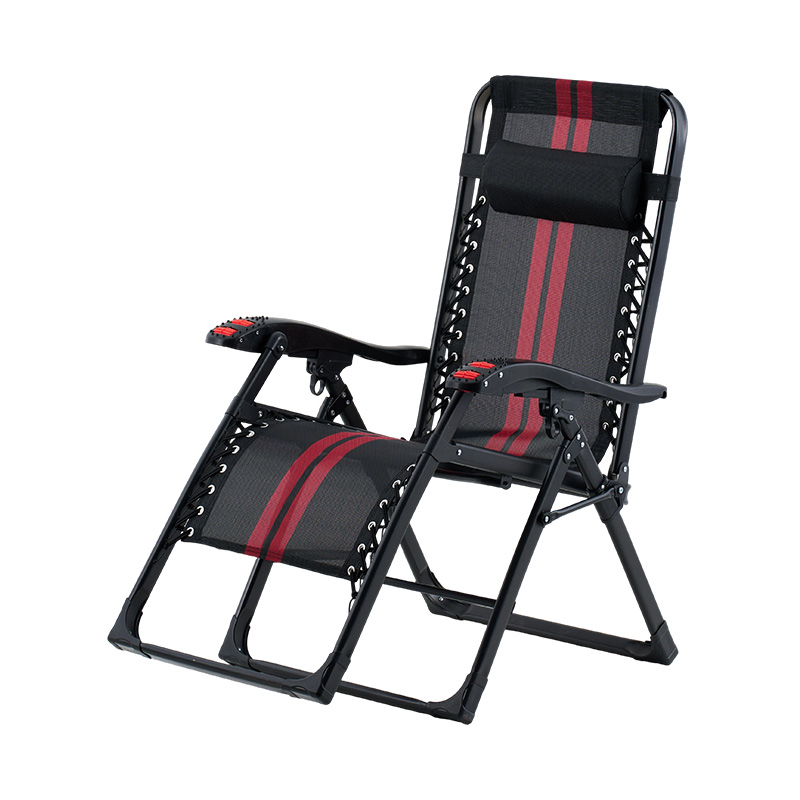
Match the Chair With the Space
Different venues place different demands on commercial seating. A conference room may prioritize appearance and comfort, while a training facility may need lightweight handling and convenient storage. Event companies often require products that can be moved between locations without complicated preparation.
Before selecting a model, buyers should define the main environment and expected usage pattern. This provides a clearer basis for comparing frame construction, seat materials, folded dimensions, and other specifications.
Look Closely at the Folding Mechanism
The folding mechanism is one of the most frequently handled parts of the chair. If the movement is stiff, unstable, or difficult to operate, venue staff may spend additional time arranging seating.
A practical design should provide controlled folding movement and maintain proper alignment between moving components. Buyers evaluating samples should open and close the chair several times and check whether the mechanism operates smoothly without excessive looseness or unusual noise.
Frame Design Influences Stability
A commercial chair's frame is responsible for supporting the user and maintaining structural stability. Tube diameter, wall thickness, connection points, welding quality, and overall geometry can all influence performance.
Rather than judging a frame simply by how heavy it feels, procurement teams should ask about the construction method and quality-control process. Consistent welding and accurate assembly are particularly important when large quantities of chairs are purchased for the same project.
Choose Surface Materials for Maintenance Needs
The right surface material depends heavily on the environment. Hotels and conference venues may prefer upholstered seats for a more refined appearance, while schools, training centers, and public facilities may favor surfaces that are easier to clean.
For rental and event applications, resistance to frequent handling and transportation should also be considered. Selecting materials according to actual maintenance conditions can help prevent unnecessary cleaning difficulties and premature surface damage.
Think About Storage Before Ordering
Storage efficiency is one of the main reasons businesses consider folding seating, but the benefit depends on the actual folded configuration. A compact chair may be easier to organize in warehouses, service areas, or temporary storage rooms.
Procurement teams should evaluate:
- Folded height and overall footprint
- Stacking or storage stability
- Carrying convenience
- Protection during transportation
- Compatibility with existing storage equipment
Considering these details before ordering can prevent storage problems after delivery.
Custom Features Can Solve Specific Requirements
Standard specifications may be sufficient for many projects, but some commercial buyers need a more targeted configuration. Depending on the manufacturer's capabilities, customization may include frame finish, seat fabric, color, dimensions, cushioning, packaging, or branding.
This approach can be particularly useful for furniture distributors and hospitality projects where appearance and product consistency are important. Early technical communication also gives the manufacturer an opportunity to identify potential production or packaging issues before bulk manufacturing begins.
Evaluate the Manufacturer, Not Just the Sample
A product sample provides useful information, but it does not fully represent the supplier's ability to deliver consistent bulk orders. Buyers should also examine manufacturing experience, inspection procedures, material control, customization capabilities, packaging methods, and communication throughout the order process.
For commercial seating projects, choosing a folding chair should ultimately be based on the relationship between application, construction, maintenance, storage, and supplier capability. A chair that fits these requirements can become a practical part of a flexible space rather than simply another piece of temporary furniture.
 Prev
Prev


