


 English
 Español
 عربى
A folding chair is often purchased for convenience, but convenience alone does not guarantee a satisfactory seating experience. Whether used in a backyard, conference room, temporary event space, or community facility, a chair needs to provide reasonable support for the people using it. For overseas distributors and commercial buyers, evaluating a Cheap Folding Chair should therefore involve more than checking its appearance and folded dimensions. Comfort, seating proportions, and practical usability can all influence customer feedback and repeat purchasing decisions.
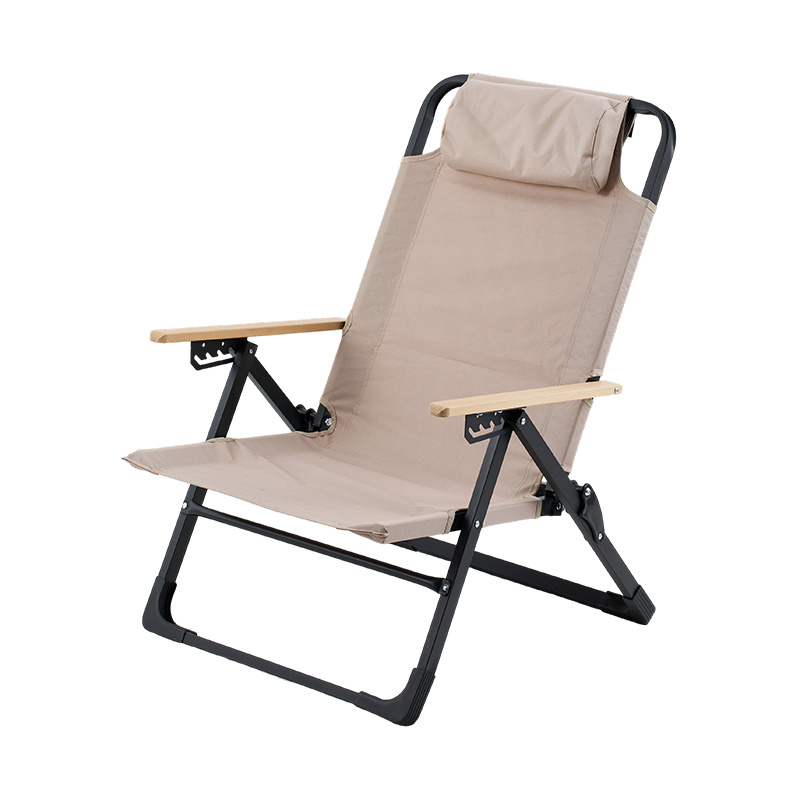
Seat Dimensions Influence the Sitting Experience
The seat is the first area buyers should examine when evaluating comfort. Its width, depth, and height affect how different users sit and how easily they can get in and out of the chair.
A seat that is too narrow may feel restrictive, while insufficient depth can leave users without adequate thigh support. Seat height also matters because it influences how users position their feet and knees.
There is no single dimension suitable for every application. Buyers should consider the expected user group and intended setting before confirming specifications. Comparing samples with commonly used seating products can provide a more practical reference than relying on photographs alone.
Backrest Design Should Support Natural Posture
The backrest plays an important role in how a folding chair feels during extended use. Its height, angle, width, and shape influence how the user's back contacts the chair.
Some applications involve short periods of sitting, such as temporary event seating. Others may require users to remain seated during meetings, outdoor gatherings, or longer activities. These situations can create different expectations for back support.
Manufacturers should consider the relationship between the seat and backrest during product development. Buyers can evaluate this by sitting in the sample rather than judging the backrest solely by its visual appearance.
Fabric Tension Can Change How a Chair Feels
For folding chairs with fabric seats and backrests, material selection is only part of the comfort equation. How the fabric is installed and tensioned also affects the seating experience.
If the fabric is too loose, users may feel insufficient support. If it is excessively tight, the seating surface may feel less accommodating. Stitching, attachment points, and the connection between the fabric and frame should also be examined.
When reviewing samples, buyers can check whether the fabric remains properly positioned during normal use and whether the seating surface feels consistent across the chair. These observations can help identify design issues before a larger order is placed.
Armrests and Additional Features Need a Clear Purpose
Some folding chairs include armrests, padded sections, carrying handles, or other accessories. These features can make a product more suitable for particular users, but they should be selected according to the intended application.
For example, armrests may provide additional support when users sit down or stand up. However, they also affect the chair's overall width and folded configuration. Buyers should consider whether the additional feature improves usability enough to justify the changes in storage and transportation requirements.
A straightforward design can still be a suitable choice when portability and compact storage are the main priorities.
Test Comfort Under Realistic Conditions
Product photographs and specification sheets cannot fully communicate how a chair feels. A sample evaluation gives buyers an opportunity to examine details that are difficult to assess remotely.
A practical sample review can include:
- Sitting for a reasonable period to assess overall comfort
- Checking whether the seat and backrest provide suitable support
- Observing whether the chair feels stable when changing sitting positions
- Testing the opening and folding process
- Checking for uncomfortable edges or exposed connection points
- Comparing several samples if different configurations are available
For commercial orders, it is also useful to involve people who represent the expected end users. Their feedback can reveal differences between the buyer's assumptions and actual seating preferences.
Balance Comfort With Storage Requirements
A comfortable chair still needs to fulfill the practical purpose of a folding design. Seat padding, armrests, and wider frames may affect the product's folded size and weight.
Buyers should therefore evaluate the open and folded configurations together. A product intended for compact apartments, event storage rooms, or mobile activities may need a different balance from one used mainly in a fixed outdoor seating area.
Discussing these priorities with the manufacturer early can help prevent design changes after sample approval.
Work With a Manufacturer That Understands Product Details
Comfort is the result of several design elements working together, including seat proportions, backrest geometry, fabric installation, frame structure, and overall dimensions. Zhejiang Dingtai Outdoor Leisure Products Co., Ltd. can take these factors into account when discussing folding chair configurations with overseas buyers.
When sourcing a Cheap Folding Chair, distributors should not assume that an affordable product must compromise on every aspect of the seating experience. Careful sample testing, clear specification discussions, and attention to user feedback can help buyers select a model that meets practical comfort expectations while remaining suitable for their target market.
 Prev


