


 English
 Español
 عربى
عربىIn the global hospitality and outdoor leisure industry, beachfront resorts, beach clubs, and seaside hotels are increasingly upgrading their outdoor furniture systems rather than simply replacing worn products. This shift is driven by changing guest expectations, harsher coastal environments, and the need for longer-lasting, low-maintenance commercial outdoor solutions.
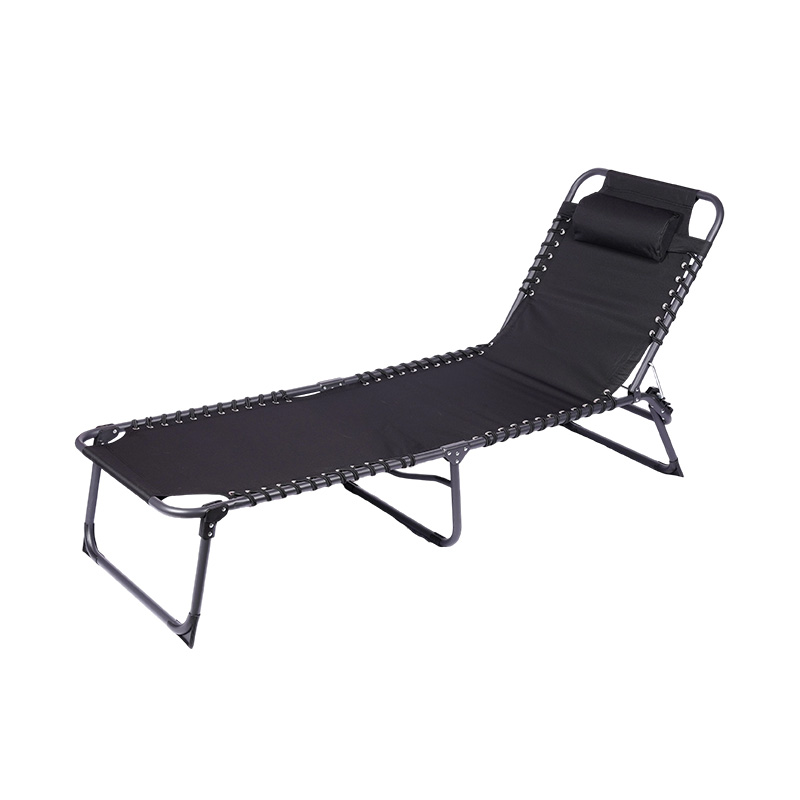
Recent overseas search trends show growing interest in terms such as “weather resistant beach lounge bed for resort use,” “commercial outdoor beach seating supplier,” and “UV resistant coastal furniture for hotels.” These reflect a clear demand for durable, customizable, and easy-to-maintain beach furniture designed for high-traffic hospitality environments.
Coastal Weather Conditions Are Accelerating Furniture Wear
Beachfront environments are among the most demanding settings for outdoor furniture. Constant exposure to salt air, UV radiation, humidity, and wind significantly reduces product lifespan if materials are not properly engineered.
Common issues faced by resort operators include:
- corrosion of metal frames due to salt exposure
- fading and cracking of fabric under strong UV light
- structural weakening from constant humidity changes
- frequent replacement cycles increasing operational costs
As a result, hospitality buyers are now prioritizing more durable material systems and protective surface treatments.
Guest Experience Is Driving Demand for Premium Outdoor Comfort
Modern travelers expect more than basic seating when visiting coastal resorts. Social media trends, especially on platforms focused on travel and lifestyle content, have increased demand for visually appealing and comfortable outdoor relaxation spaces.
Key guest expectations include:
- ergonomic lounge comfort for extended use
- aesthetic consistency with resort branding
- flexible seating arrangements for groups and individuals
- premium visual design suitable for photography and social sharing
This has pushed hotels and beach clubs to rethink outdoor furniture layout and comfort standards.
Customization Is Becoming Essential in Resort Procurement
Hotels and resorts are increasingly moving away from standard catalog furniture in favor of customized solutions tailored to their specific design themes and spatial layouts.
Common customization requirements include:
- color matching with brand identity
- adjustable structure designs for different beach layouts
- modular seating systems for flexible arrangement
- fabric selection suitable for local climate conditions
This approach allows resorts to maintain visual consistency while improving operational flexibility.
Material Performance Is Now a Key Purchasing Decision Factor
In coastal environments, material selection directly affects product lifespan and maintenance frequency. Buyers are becoming more technical in evaluating frame structure, fabric performance, and coating durability.
Typical evaluation criteria include:
- corrosion-resistant aluminum or treated steel frames
- UV-resistant outdoor fabrics for long-term color stability
- quick-dry materials for humid beach conditions
- easy-clean surfaces for high guest turnover environments
- These requirements are especially important for high-traffic tourist destinations.
- Maintenance Efficiency Is Reducing Long-Term Operating Costs
Hospitality operators are increasingly focused on reducing maintenance workload for outdoor furniture systems. Frequent repairs or replacements can disrupt guest experience and increase operational expenses.
Key operational concerns include:
- ease of cleaning sand and salt residue
- replaceable cushion and fabric components
- resistance to mold and moisture accumulation
- reduced frequency of structural maintenance
Efficient maintenance design helps resorts maintain consistent appearance standards throughout peak seasons.
Space Optimization Is Influencing Outdoor Layout Design
Modern beach resorts are also optimizing outdoor space usage to accommodate more guests without overcrowding. This requires flexible furniture systems that can be easily rearranged.
Common layout strategies include:
- modular seating for scalable capacity management
- movable lounge units for seasonal adjustments
- combined seating and shading structures
- space-efficient arrangements for beachfront areas
- This flexibility is particularly valuable during peak tourism periods.
- Integrated Outdoor Solutions Are Becoming Industry Standard
As competition in the hospitality sector increases, resorts are shifting toward integrated outdoor furnishing systems that combine comfort, durability, and visual appeal.
This is why demand for solutions from a custom beach bed factory continues to grow in resort development projects, while professional sourcing from a beach chair factory remains essential for scalable, durable, and design-consistent outdoor seating solutions used across global coastal hospitality environments.
 Prev
Prev


